
Introduction to the Inner Ear
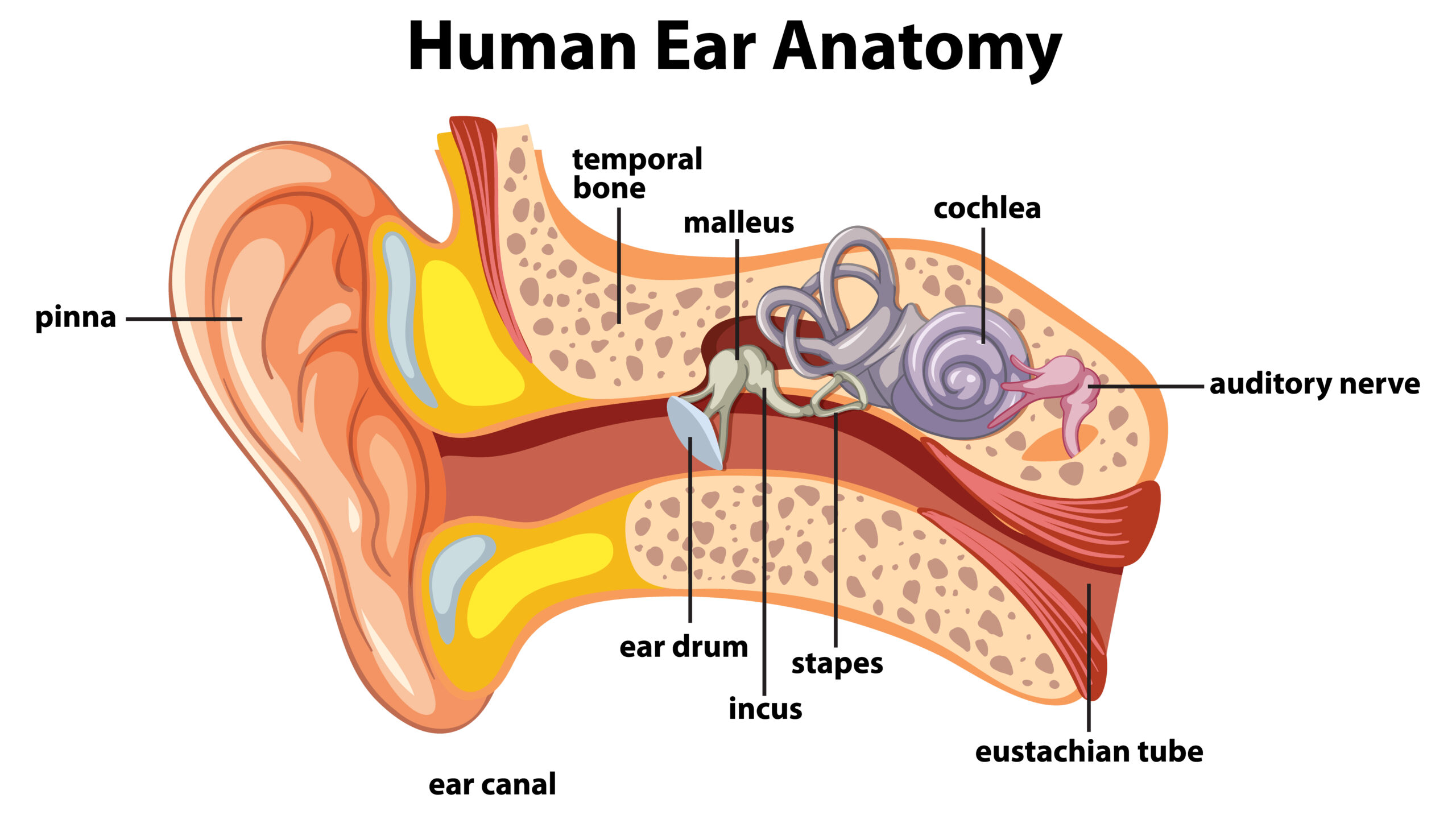
The inner ear is a small but important part of your ear. It sits deep inside your head. In fact, inner ear anatomy is key to both hearing and balance. Many people wonder, how does the inner ear work? This guide will help you understand the structure of the inner ear and its main parts.
Parts of the Inner Ear
The inner ear has several important parts. Each part has a special job. Let’s look at the main parts of the inner ear:
Now, let’s explore each part in more detail.
Cochlea: The Hearing Center
First, the cochlea looks like a tiny snail shell. It is filled with fluid and lined with tiny hair cells. When sound enters the inner ear, it moves the fluid inside the cochlea. As a result, the hair cells bend and send signals to the brain. This is how you hear sounds. The cochlea is the main part for hearing in the inner ear anatomy.
Vestibule: The Balance Hub
Next, the vestibule sits between the cochlea and the semicircular canals. It has two small sacs called the utricle and saccule. These sacs help you know if you are standing up or lying down. They sense changes in your head’s position. Because of this, the vestibule is important for balance.
Semicircular Canals: Keeping You Steady
Also, the semicircular canals are three tiny loops. They are filled with fluid, just like the cochlea. When you move your head, the fluid moves too. This movement helps your brain know which way your head is turning. The semicircular canals work with the vestibule to keep you balanced.
Nerves: Sending Signals to the Brain
Finally, special nerves connect the inner ear to the brain. The hearing nerve (auditory nerve) carries sound signals. The balance nerve (vestibular nerve) carries balance signals. Together, these nerves help you hear and stay balanced.
How the Inner Ear Helps with Hearing and Balance
Now, let’s see how the inner ear works. When sound enters your ear, it travels to the cochlea. The cochlea changes sound waves into signals for the brain. At the same time, the vestibule and semicircular canals sense head movements. They send balance signals to the brain. Because of these parts, you can hear and keep your balance every day.
Common Questions About Inner Ear Anatomy
Conclusion
In summary, the inner ear anatomy includes the cochlea, vestibule, semicircular canals, and nerves. Each part has a special job. Together, they help you hear and stay balanced. If you have concerns about your hearing or balance, consult an ENT specialist for advice.