
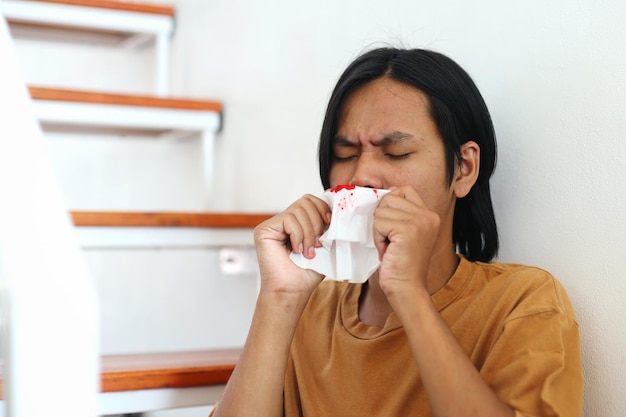
Epistaxis, or nosebleeds, is a common occurrence affecting people of all ages and demographics. Many underestimate this issue, chalking it up to a passing annoyance. However, understanding epistaxis causes and implementing nose bleed prevention strategies can greatly reduce these episodes. This guide is designed to offer practical tips and insights into epistaxis how to stop, tackling both immediate measures and long-term solutions. Addressing this health issue is crucial not only for personal comfort but also for preventing potential complications. So, dive in to explore effective ways to manage and prevent nosebleeds.
Understanding the Causes and Risk Factors of Epistaxis
Several factors can trigger nosebleeds. Dry weather often leads to nasal dryness, causing the membranes inside the nose to crack and bleed. Additionally, epistaxis causes can range from exposure to pollution to certain medical conditions like allergies or colds. Habits such as excessive nose picking or frequent aspirin use can further elevate the risks.
Lifestyle choices and environmental influences also play a role. Living in an area with high pollution levels or consistently dry air can increase the chances of epistaxis. Moreover, smoking and alcohol consumption can aggravate the situation, acting as significant epistaxis risk factors.
Ignoring frequent nosebleeds could result in epistaxis complications. Recurrent episodes might lead to anemia or other health concerns if unchecked. Therefore, increasing awareness of these triggers, especially in densely populated and high-pollution areas like India, is vital. Understanding what could lead to a nosebleed is the first step in effectively managing and preventing it.
Immediate First Aid and Emergency Treatment for Nosebleeds
When a nosebleed occurs, knowing the fast way to stop nose bleed can provide quick relief. Follow these simple steps:
- Sit up straight and lean slightly forward. This prevents blood from running down your throat.
- Pinch the soft part of your nose. This is crucial in first aid management for nose bleeding.
- Hold your nose for around 10 minutes. This pressure helps stop the bleeding.
- Breathe through your mouth during this period.
If the bleeding doesn’t stop after repeated attempts, you might need emergency nosebleed treatment. Seek professional medical help if the nosebleed lasts more than 20 minutes or if you feel faint or weak.
It’s important to debunk some myths about epistaxis how to stop. For instance, tilting the head back isn’t advised, as it can cause blood ingestion and possible choking. Instead, applying a cold compress on the nose can constrict blood vessels and possibly aid in halting the bleeding.
An image depicting these techniques can provide clarity. Imagine a picture of someone calmly sitting with their nose pinched and slightly bent forward. This visual aid can make these steps memorable and easy to follow.
Long-term Prevention Strategies and Lifestyle Changes
Preventing nosebleeds starts with simple daily habits. Staying hydrated keeps your nasal membranes moist, lessening the chances of dryness-induced bleeds. Similarly, using a humidifier indoors can combat the dry air which is a notable epistaxis risk factor.
Nutrition plays an important role too. Foods rich in vitamin C and iron are beneficial for maintaining strong blood vessels. Consuming a balanced diet not only supports general health but also aids in nose bleed prevention.
Seasonal changes can affect the frequency of nosebleeds. During winter, indoor heating can dry out the air. To protect yourself, using saline nasal sprays keeps nasal passages moist, lessening the likelihood of nosebleeds.
Incorporating these into daily routines is key:
- Use a humidifier to maintain humidity.
- Apply petroleum jelly inside the nostrils for moisture.
- Take breaks regularly if in air-conditioned or smoky environments.
This image-driven guide offers visual representations of these lifestyle tips and dietary recommendations, making it easier for everyone to follow along.
Such strategies in epistaxis prevention ensure that you’re not only addressing current nosebleed concerns but protecting against future issues. Remember, simple changes today can pave the way for a more comfortable tomorrow, free from nosy disturbances.