
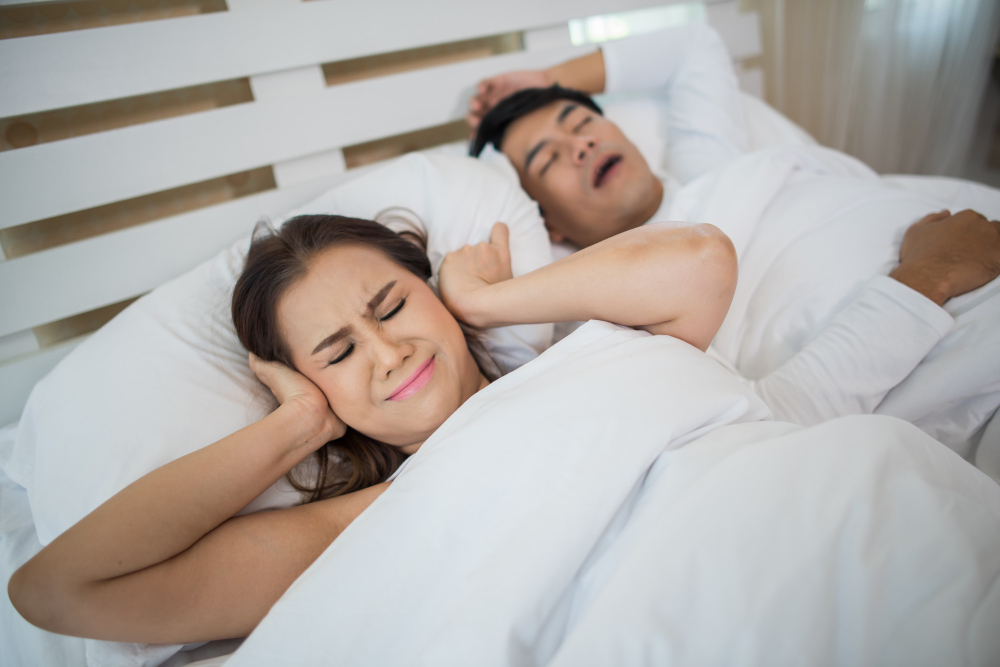
What Are Snoring and Sleep Apnea?
Snoring and sleep apnea are common sleep problems. Many people snore at night, but some also have sleep apnea. Sleep apnea means your breathing stops and starts while you sleep. This can make you feel tired during the day. Both snoring and sleep apnea can affect your health and quality of life. According to the CDC, these issues are more common than many think. If you want to know how to stop snoring or find sleep apnea solutions, you are not alone.
Common Symptoms
It is important to notice the signs of snoring and sleep apnea. Early detection can help you get better sleep and breathing at night. Look for these symptoms:
Sometimes, a partner may notice your symptoms before you do. If you see these signs, it is wise to seek help.
Causes and Risk Factors
Many things can cause snoring and sleep apnea. However, some people are at higher risk. Knowing the causes can help you find better sleep tips that work for you. Common causes and risk factors include:
In some regions, dry or cold air can make snoring worse. Using a humidifier may help in these climates.
Diagnosis and When to See a Doctor
It is important to know when to seek medical advice. If you have loud snoring, daytime sleepiness, or breathing pauses at night, see a doctor. Doctors may ask about your sleep habits and health history. Sometimes, they may suggest a sleep study. During a sleep study, your breathing, heart rate, and oxygen levels are checked while you sleep. This helps find out if you have sleep apnea. Early diagnosis can lead to better sleep and breathing at night.
Effective Treatments and Therapies
There are many ways to treat snoring and sleep apnea. Your doctor will suggest the best option for you. Common treatments include:
For mild cases, simple changes may help. However, severe sleep apnea often needs medical devices or surgery. Always follow your doctor’s advice for sleep apnea solutions.
Lifestyle Tips for Better Sleep and Breathing
In addition to medical treatments, lifestyle changes can make a big difference. Here are some better sleep tips:
Even small changes can help you breathe better at night. For example, using nasal strips may reduce snoring for some people.
Prevention and Self-Care Strategies
While not all cases can be prevented, you can lower your risk. Try these self-care strategies:
In humid or hot climates, keep your room well-ventilated. In cold areas, use a humidifier to add moisture to the air. These steps can help you sleep better and breathe easier.
In summary, snoring and sleep apnea can affect your health and daily life. However, many treatments and lifestyle changes can help. If you have symptoms, do not wait. Consult an ENT specialist for personalized advice on snoring and sleep apnea.